
Exterior Insulation Options
Choosing the insulation for your ADU is an important step in achieving optimal energy efficiency and sustainability goals. At Second Suite, we help clients choose insulation systems that balance performance and budget with environmental responsibility. For ADUs in particular— where space is limited — good insulation can make a meaningful difference in both your energy bills, and in the comfort of your project.
A sweater for your ADU
Traditional insulation methods typically involve filling the wall cavity between the wood framing, aka studs, with some sort of insulator such as fiberglass, cellulose, spray foam, etc. These options insulate the space between the studs but do little to prevent heat loss at the studs themselves, which can reduce the overall thermal effectiveness of the wall by 15-25% — something especially noticeable in ADUs where every square inch of efficiency matters.
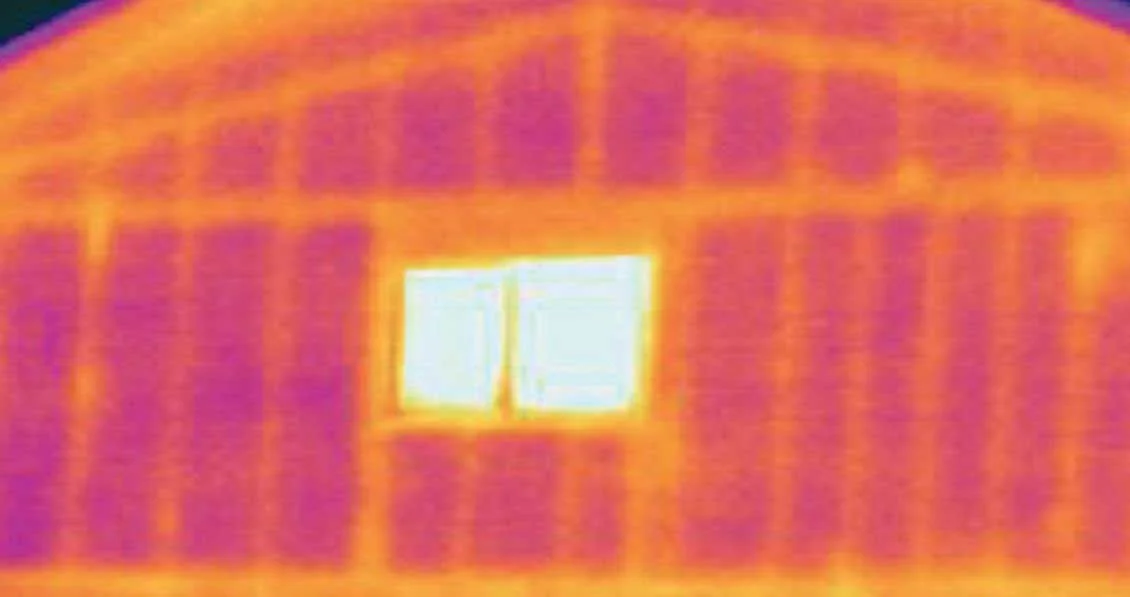
Showing thermal bridging- where heat is lost at the studs
This is why Second Suite asks:
Would you rather eat your sweater or wear your sweater?
A better insulation strategy for your ADU is one that “wears” the insulation on the exterior of the wall rather than “eats” the insulation inside the wall. Exterior insulation creates consistent thermal protection, higher energy efficiency, and a more comfortable ADU.
Mineral Wool
Mineral wool insulation is made by spinning molten rock with steel slag to form a wool-like product. The material is pressed into rolls and sheets of various R-Values (the measure of a material’s thermal resistance with a greater number indicating better insulation). It has incredible sound-absorbing and fire-resistant properties which make it an ideal product ADUs because they are often located in urban areas close to homes and other structures. Additionally, mineral wool is water repellent making it highly resistant to mold and mildew making it a durable, sustainable choice for your ADU.
There are several manufacturers of mineral wool insulation. Here are a few:
Second Suite used mineral wool for the exterior insulation on our Cypress & Bluestone project. In the photos below, you can see the green-brown material covering the house in a woolly blanket.
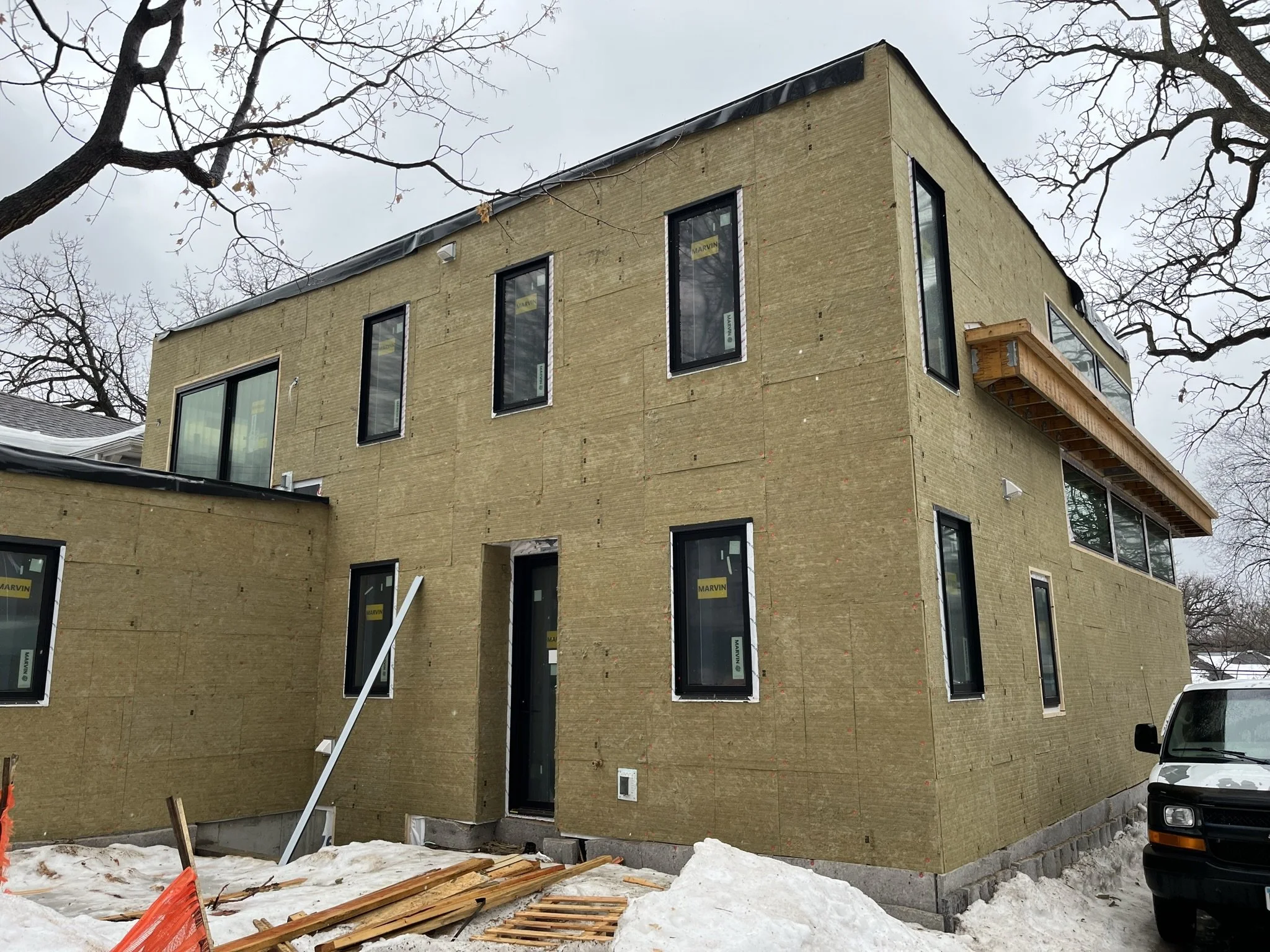
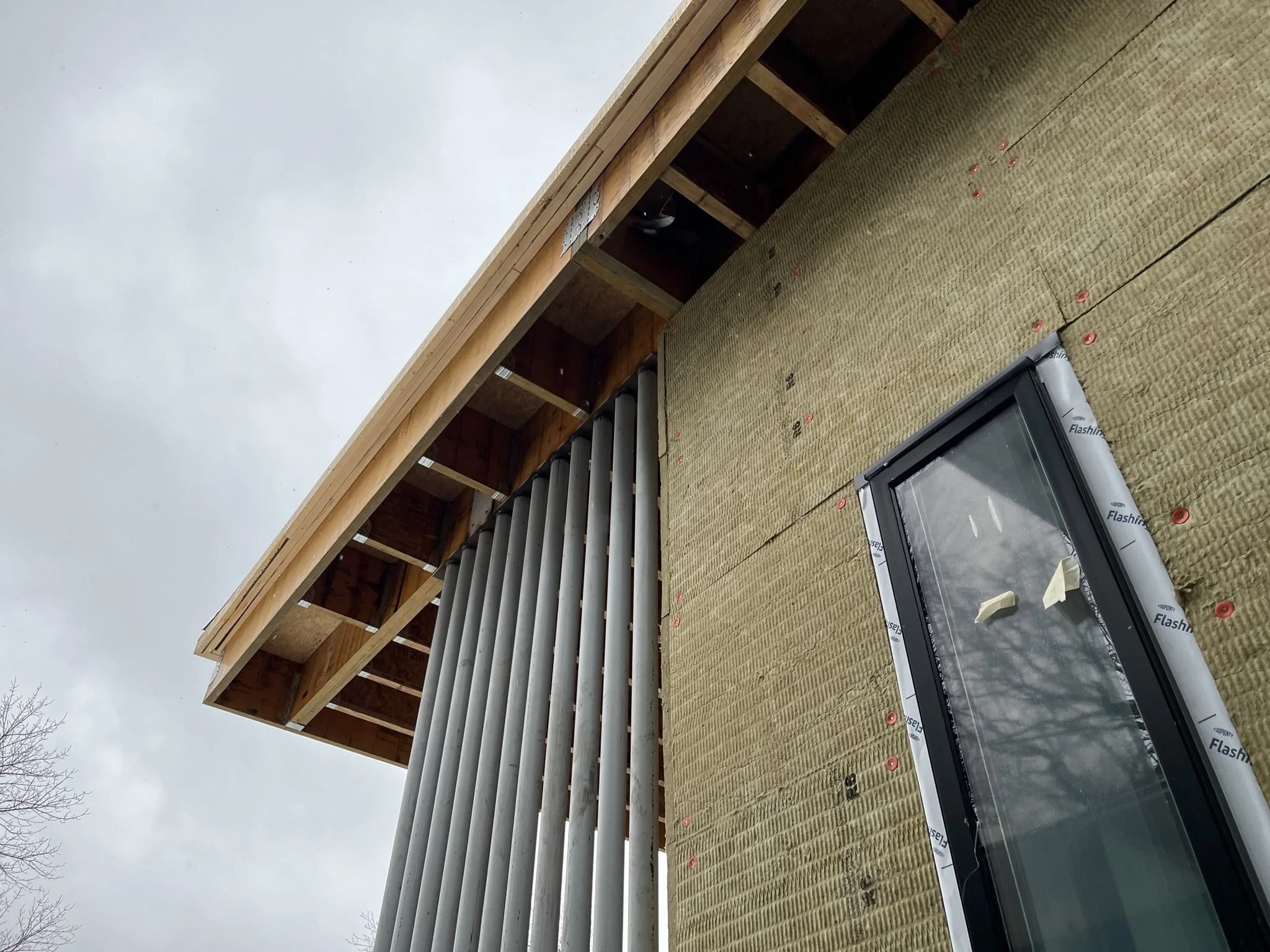
In addition to being a great insulator and keeping the house energy-efficient, the sound absorbing properties of Rockwool made it a good fit for this project. Located in Minneapolis, Cypress & Bluestone is under a flight path for MSP Airport. Using this material quieted the noise from overhead airplanes inside of the house!
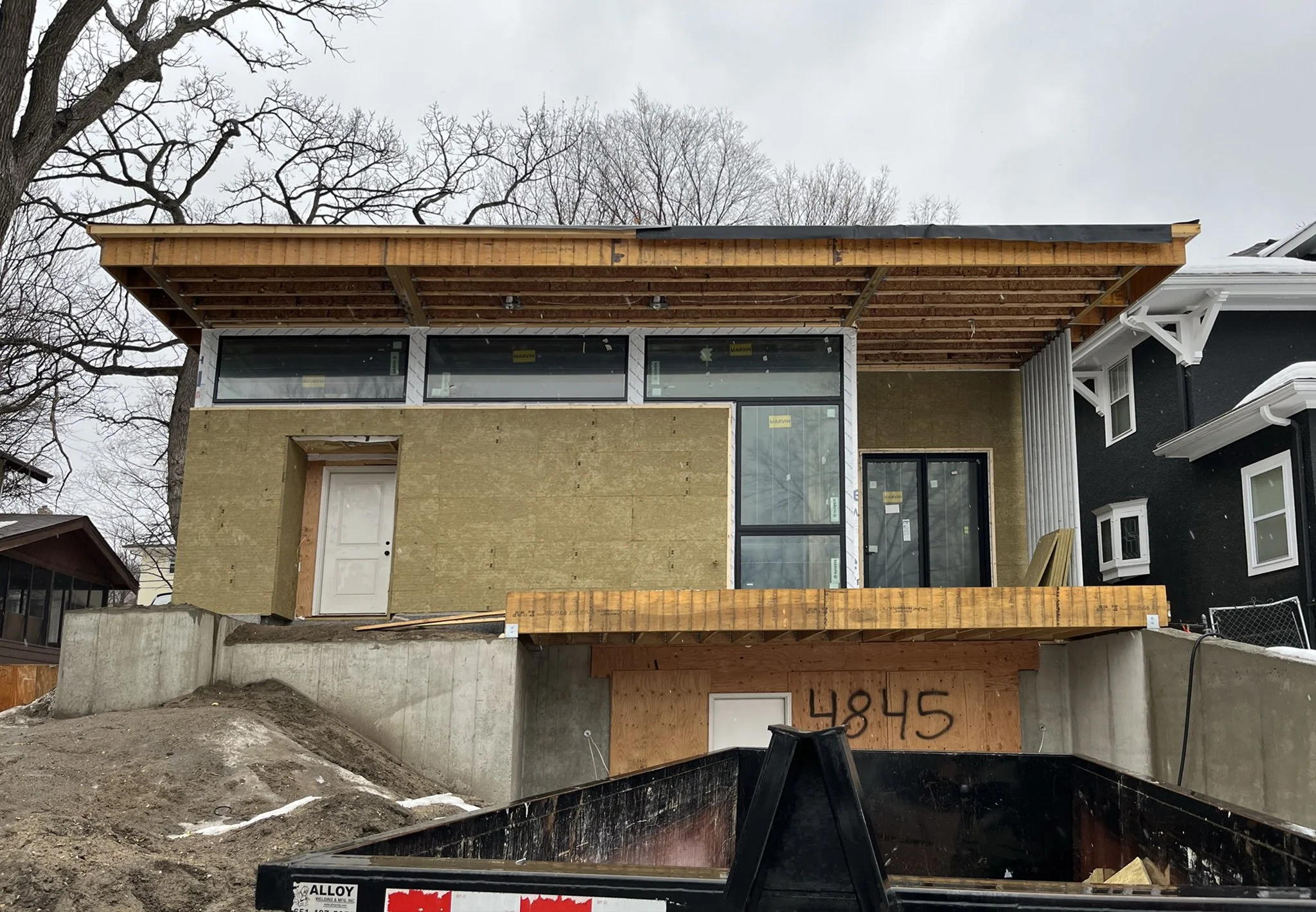
Cypress & Bluestone- In Progress
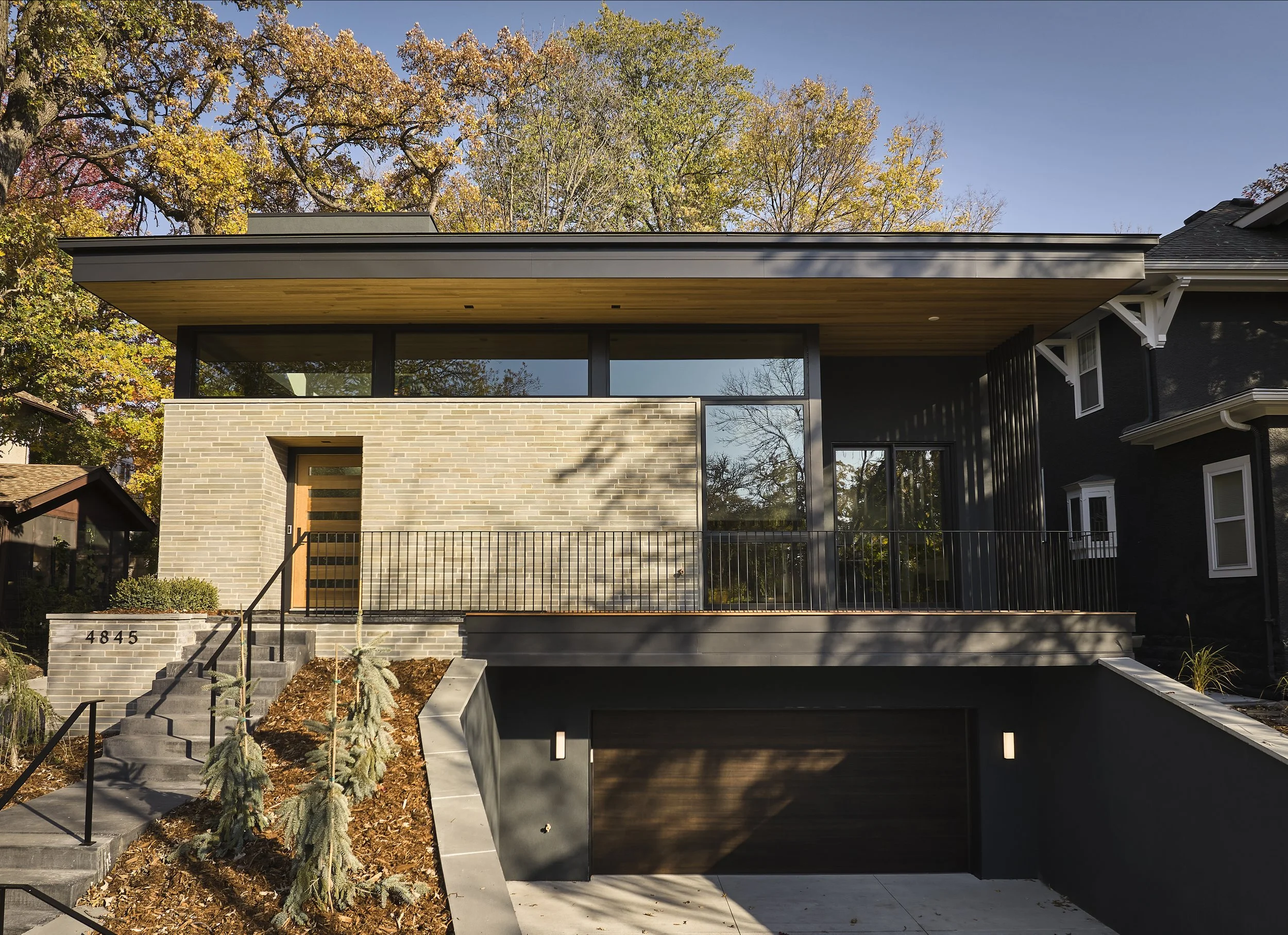
Cypress & Bluestone- Completed
Insulating Panels
Another exterior insulation strategy Second Suite recommends to our clients is Insulating Panels. This system is an all-in-one structural panel that offers built-in exterior insulation for easy assemblage. The panels consist of a weather-resistive barrier (WRB) on the exterior side of a sheet of plywood with insulation adhered to the interior side. The panels can be ordered in different insulation thickness depending how much R-Value is desired. The panels are sealed together with a tape that forms continuous water and air seal for a more energy-efficient ADU.
There are several manufacturers of insulating panels. Here are a few:
Second Suite used Insulating Panels on our GreenHouse ADU project, seen below.
Read more about the advantages of using this system in this publication focusing on GreenHouse.
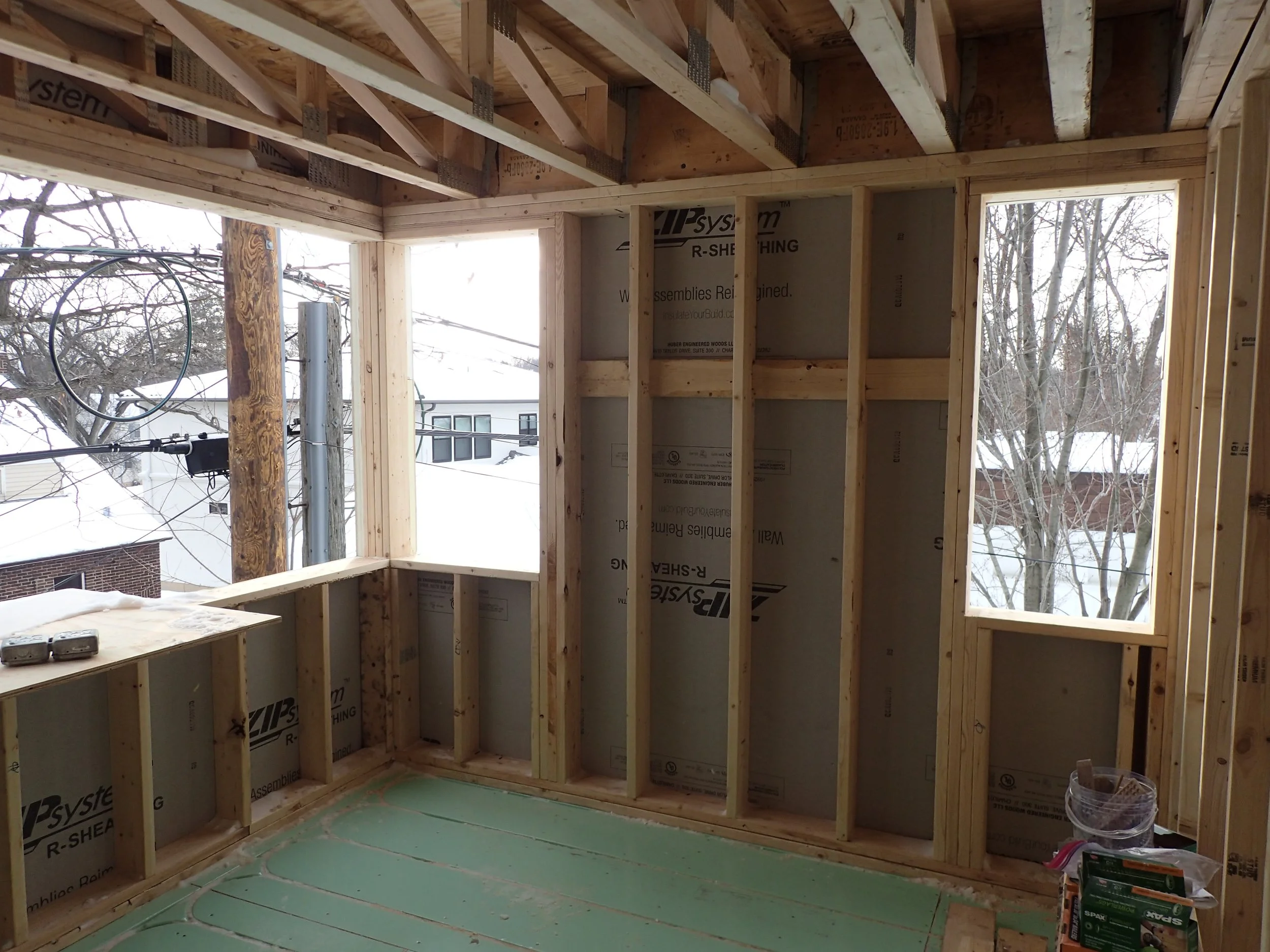
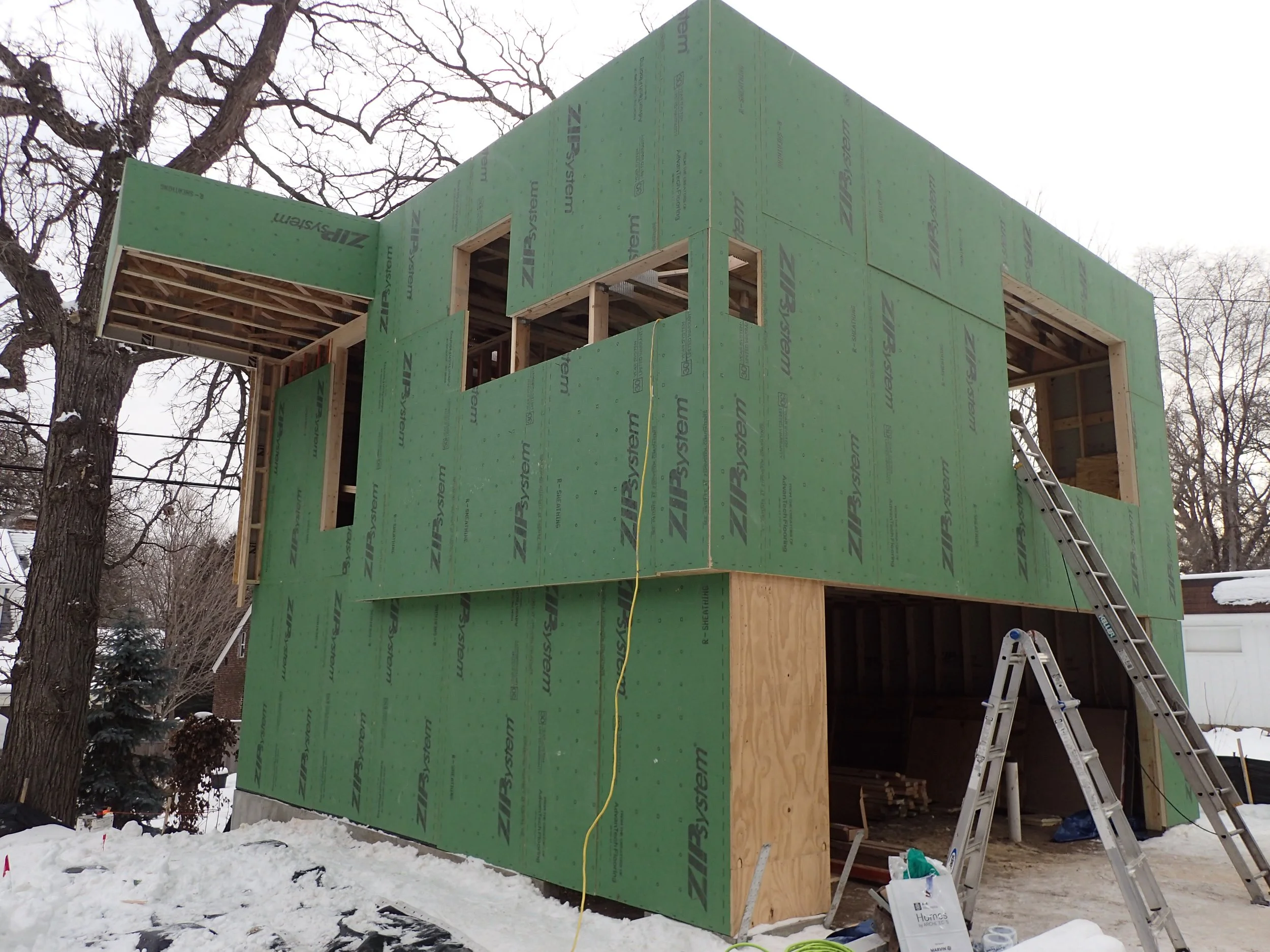
Green House- In Progress
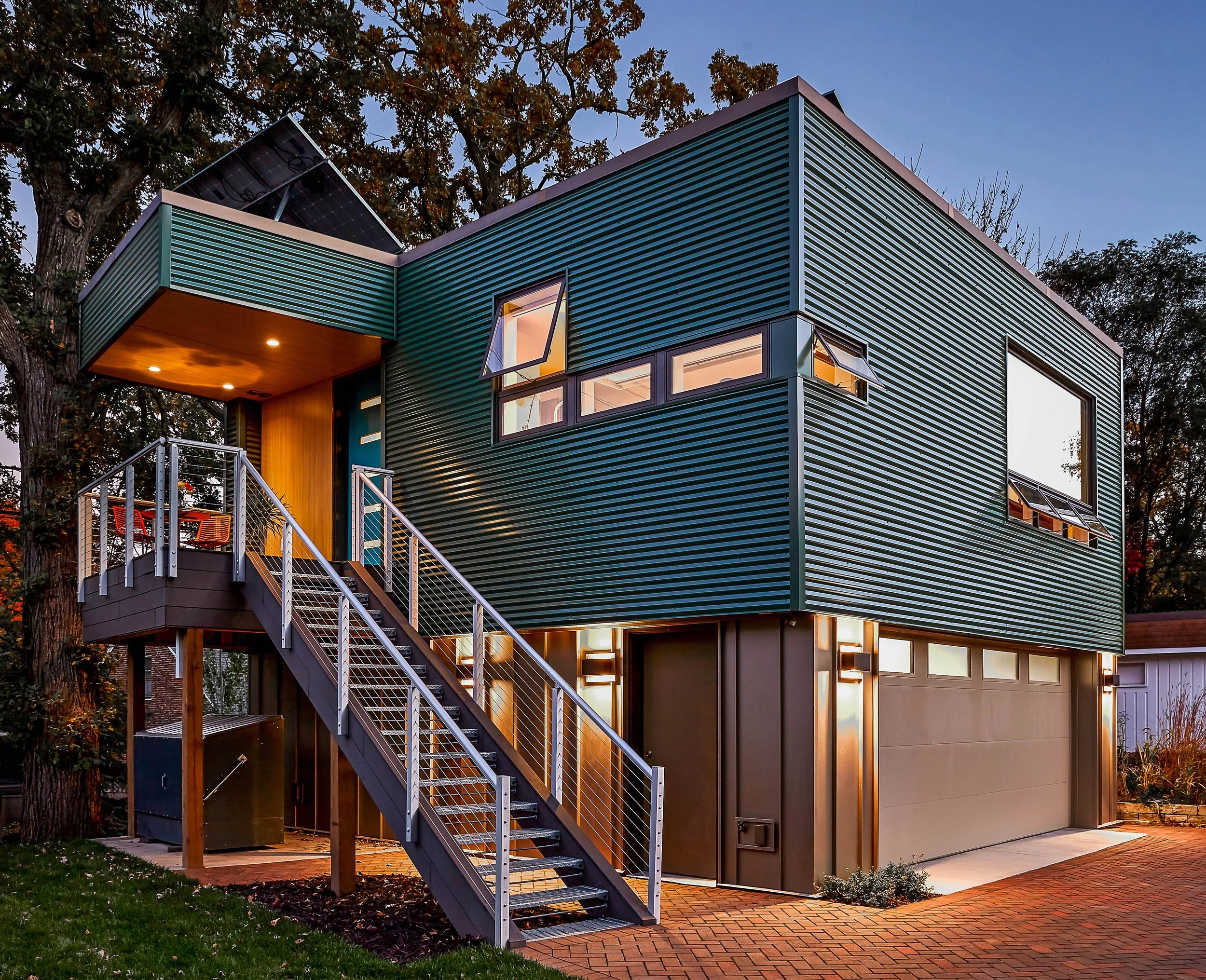
Green House- Completed
Exterior insulation can have a big impact on your ADU’s energy footprint, improving comfort, and extending the life of the structure. At Second Suite we look forward to discussing the advantages of each material and helping you find the best option for your project.
Read more about the featured projects: Cypress & Bluestone and GreenHouse.